ICEF2026 Program
Green Transformation through “Electrostates” Transition and Security
Some can be characterized as “Petrostates,” with strategies built around fossil fuel resources, while others are moving toward “Electrostates,” with strategies centered on electrification technologies. In practice, however, most countries remain hybrid, combining electrification with the continued use of conventional energy sources.
At the same time, heightened geopolitical tensions affecting critical energy supply chains, including concerns over the Strait of Hormuz, are prompting countries to reassess their energy security strategies and strengthen the resilience of their energy systems. Amid this diversity, electrification is becoming increasingly central to decarbonization, industrial competitiveness, and energy security. The IEA’s World Energy Outlook 2025 also highlights the arrival of the “Age of Electricity,” noting the rapid acceleration of electrification worldwide.
Building on this perspective, ICEF2026 will explore how electricity generated from low-carbon energy sources can contribute to Green Transformation (GX) and energy diversification, while recognizing the need for practical and region-specific transition pathways. It will also examine the role of low-carbon electricity across a wide range of sectors.
- Venue A (B2F)
-
9:00-9:10Opening Session
-
9:15-10:50Plenary 1
Keynote Session -
11:00-12:00Session A-1
The Broader Value of EVs: Decarbonization and Additional Value -
12:00-13:00Break
-
13:00-14:00Session A-2
Advanced Nuclear Reactors Supporting Low-Carbon Energy Systems -
14:10-15:50Session A-3
Energy Security for the Digital Era: Data Centers on Earth and BeyondPart 1
Digital-Power Nexus: Data Centers as Next-Generation Strategic InfrastructurePart 2
ICEF Roadmap Project: Space-based Data Centers -
16:00-17:20Plenary 2
Global Partnerships and Practical Solutions for Secure, Flexible, and Resilient Power Systems -
17:25-18:10Closing Session
*Times and session titles are subject to change.
Thursday, October 8 (JST) / Venue A (B2F)
9:00-9:10
Opening Session
Opening Remarks by
ISHII Mitsuko
(Parliamentary Vice-Minister of Economy, Trade and Industry)

Opening Remarks by
SAITO Tamotsu
(Chairman of New Energy and Industrial Technology Development Organization)
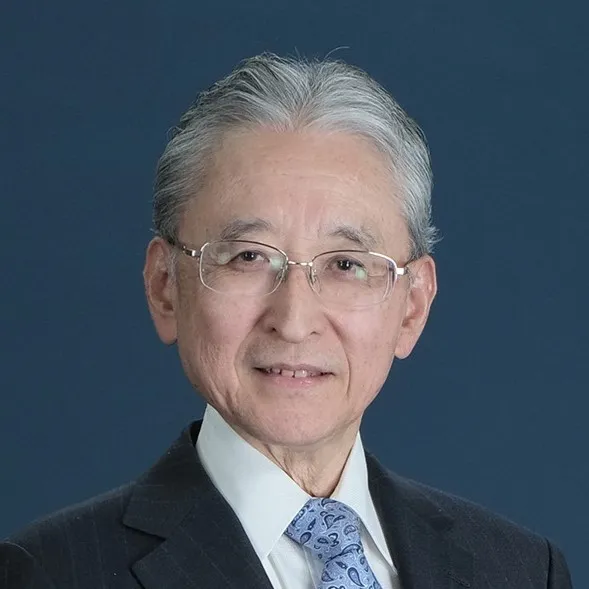
Opening Remarks by
TANAKA Nobuo
(Chair of ICEF Steering Committee)

9:15-10:50
Plenary 1
Keynote Session
As geopolitical risks, resource constraints, and rising electricity demand reshape the global energy landscape, countries are pursuing distinct pathways toward decarbonization based on their respective resource endowments, technological capabilities, security policies, and business environments.
This session will examine the different strategies pursued by individual countries, clarify the pathways toward achieving their goals, and discuss whether international cooperation can further accelerate global decarbonization.
TANAKA Nobuo
Chair, ICEF Steering Committee;
Former Executive Director,
International Energy Agency (IEA);
CEO, Tanaka Global, Inc.
(Japan)
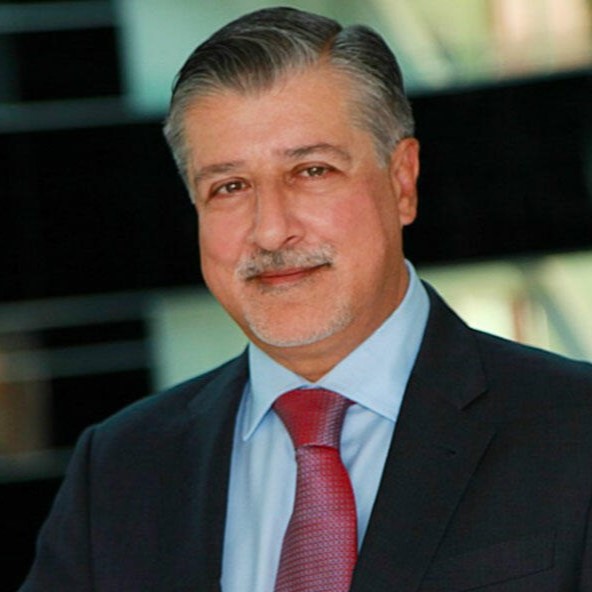
Adnan Z. Amin
ICEF Steering Committee;
Senior Research Fellow, Belfer Center for Science and International Affairs, Harvard University’s Kennedy School of Government;
Director General Emeritus, IRENA;
Senior Adviser to COP 28 President;
Chair of Officers' Council of the World Energy Council
(Kenya)
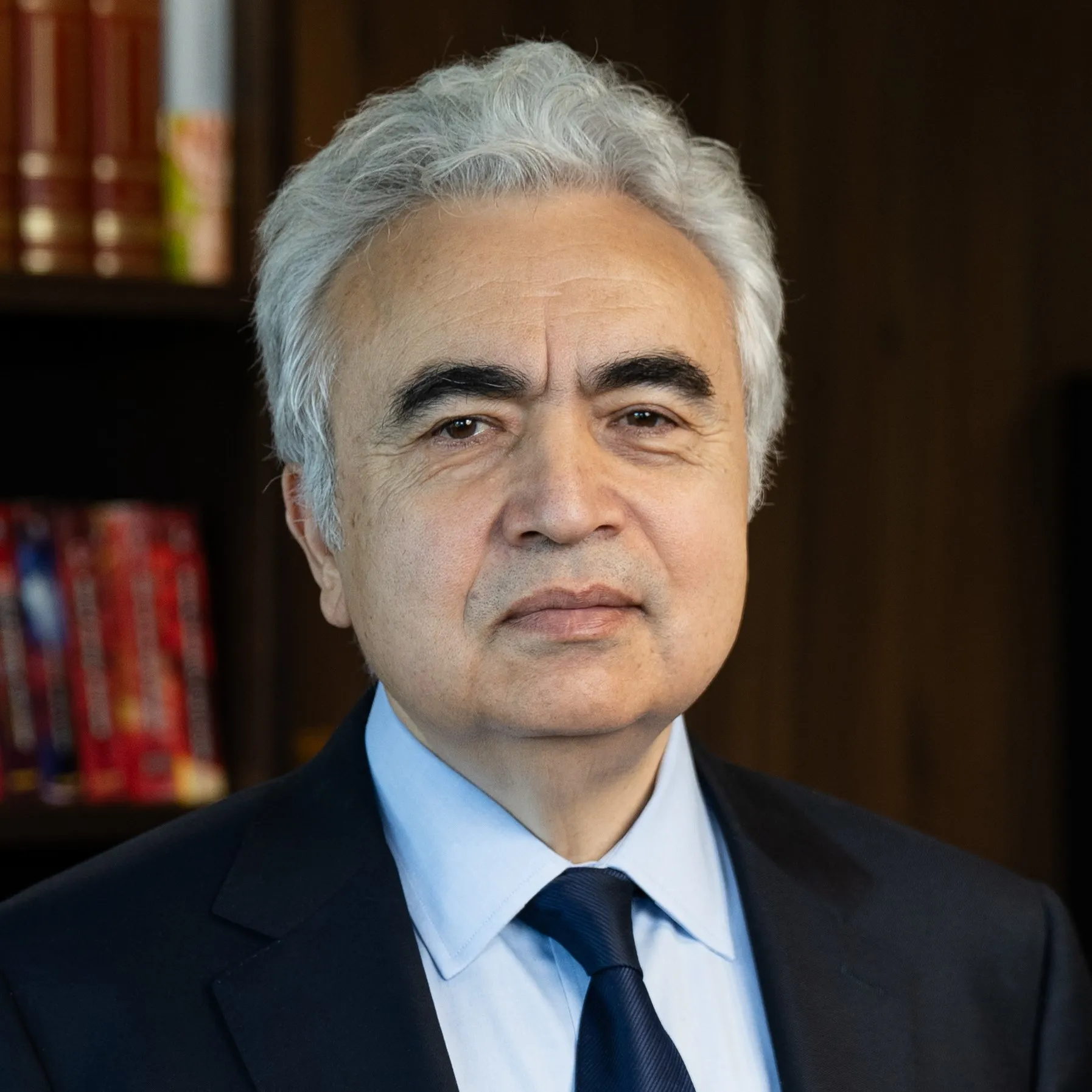
Fatih Birol
Executive Director, International Energy Agency (IEA)
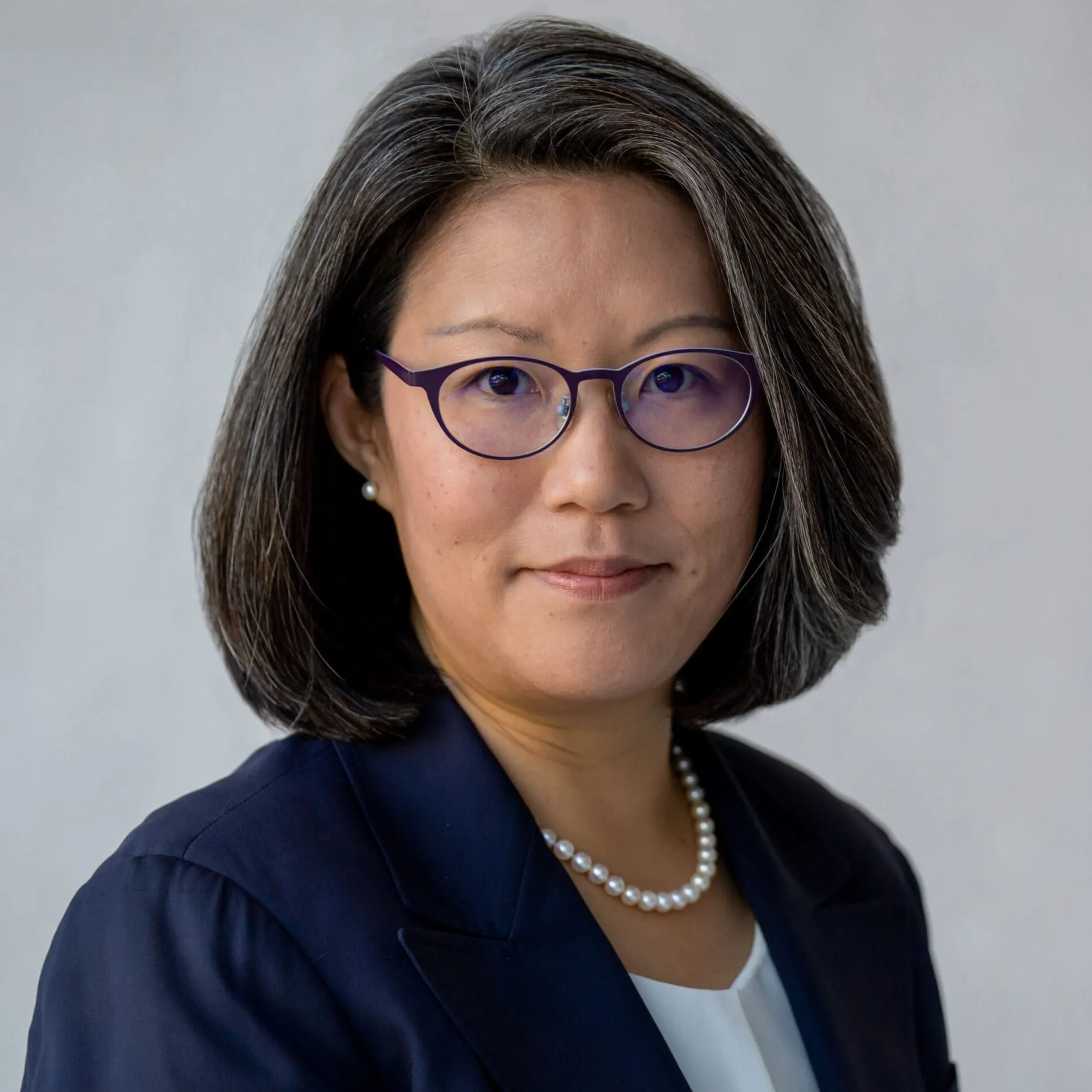
Jane Nakano
Senior Fellow, Center for Strategic and International Studies (CSIS)
(United States of America)
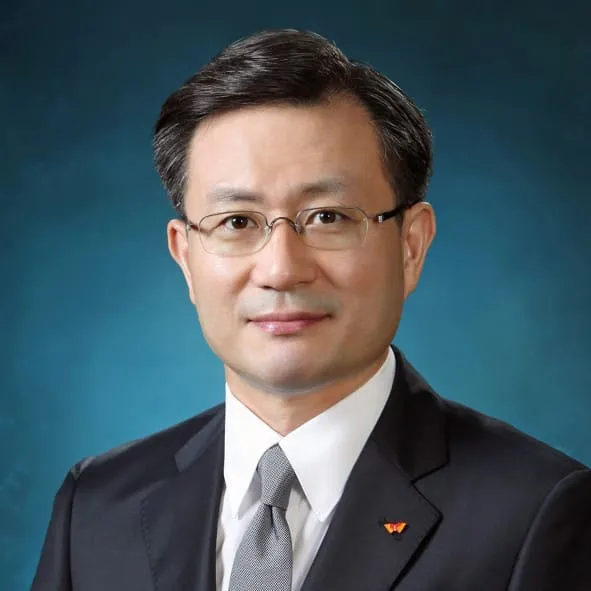
JJ Yu
Vice-Chairman, SK Group;
CEO, SK Americas
(Republic of Korea/United States of America)

Helen Stylianou
Deputy Ambassador to Japan, Australian Embassy, Tokyo
(Australia/Japan)
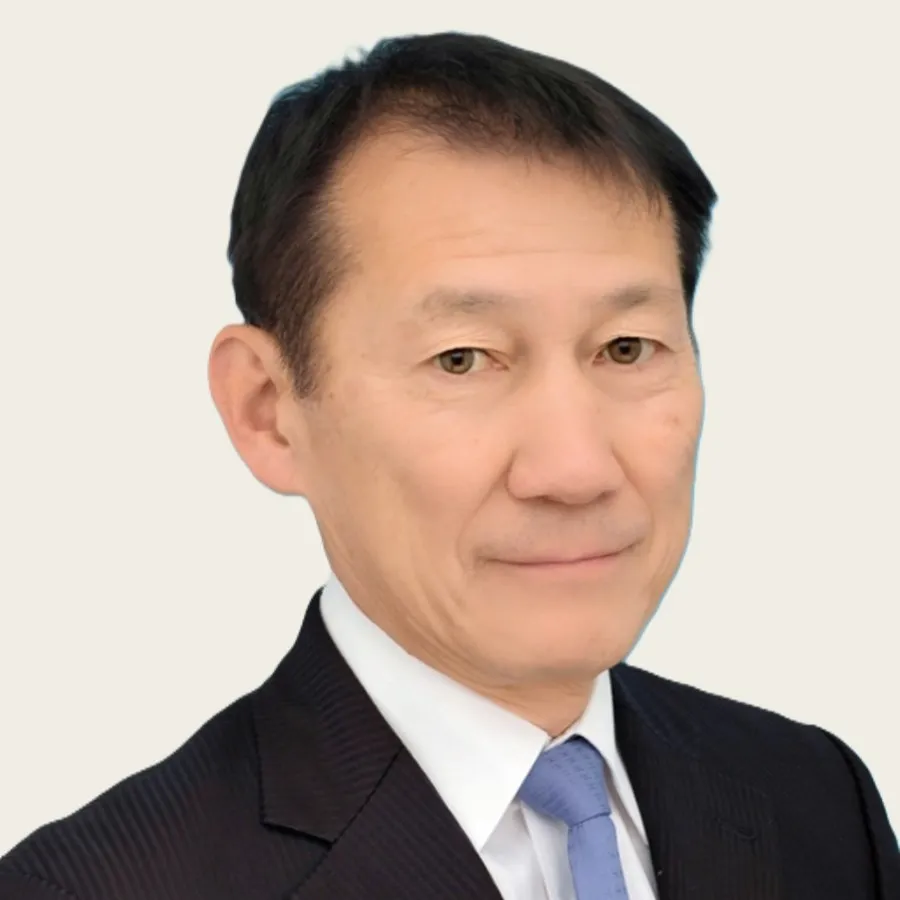
HOSAKA Shin
Senior Executive Vice President, Assistant to the President & CEO, INPEX CORPORATION
(Japan)
11:00-12:00
Session A-1
The Broader Value of EVs: Decarbonization and Additional Value
EVs are emerging as an important option for decarbonization in the mobility sector, and are also playing different roles in each country, depending on the energy structure, industrial base, urban mobility needs, and growth strategies. In advanced economies, EVs are expected to contribute to the integration of renewable energy, grid flexibility, and resilience, while EV adoption in the Global South is driven by the need to reduce dependence on oil imports, address urban air pollution, and foster domestic industries.
The aim of this session is to develop a deeper understanding of how the expectations, progress in adoption, policy frameworks, and infrastructure constraints affecting EVs differ in advanced economies and the Global South. Based on these considerations, the session will explore how EVs are linked to regional growth strategies and regionally appropriate adoption models, as well as the possibility of mutual understanding and international cooperation.

Nebojsa Nakicenovic
ICEF Steering Committee;
Honorary and Emeritus Scholar, International Institute for Applied Systems Analysis (IIASA);
Emeritus Professor of Energy Economics, Vienna University of Technology (TU Wien)
(Austria/Serbia)

Changhua Wu
ICEF Steering Committee;
China/Asia Director,
Office of Jeremy Rifkin;
Chair, Governing Council,
Asia Pacific Water Forum
(United States of America/China)
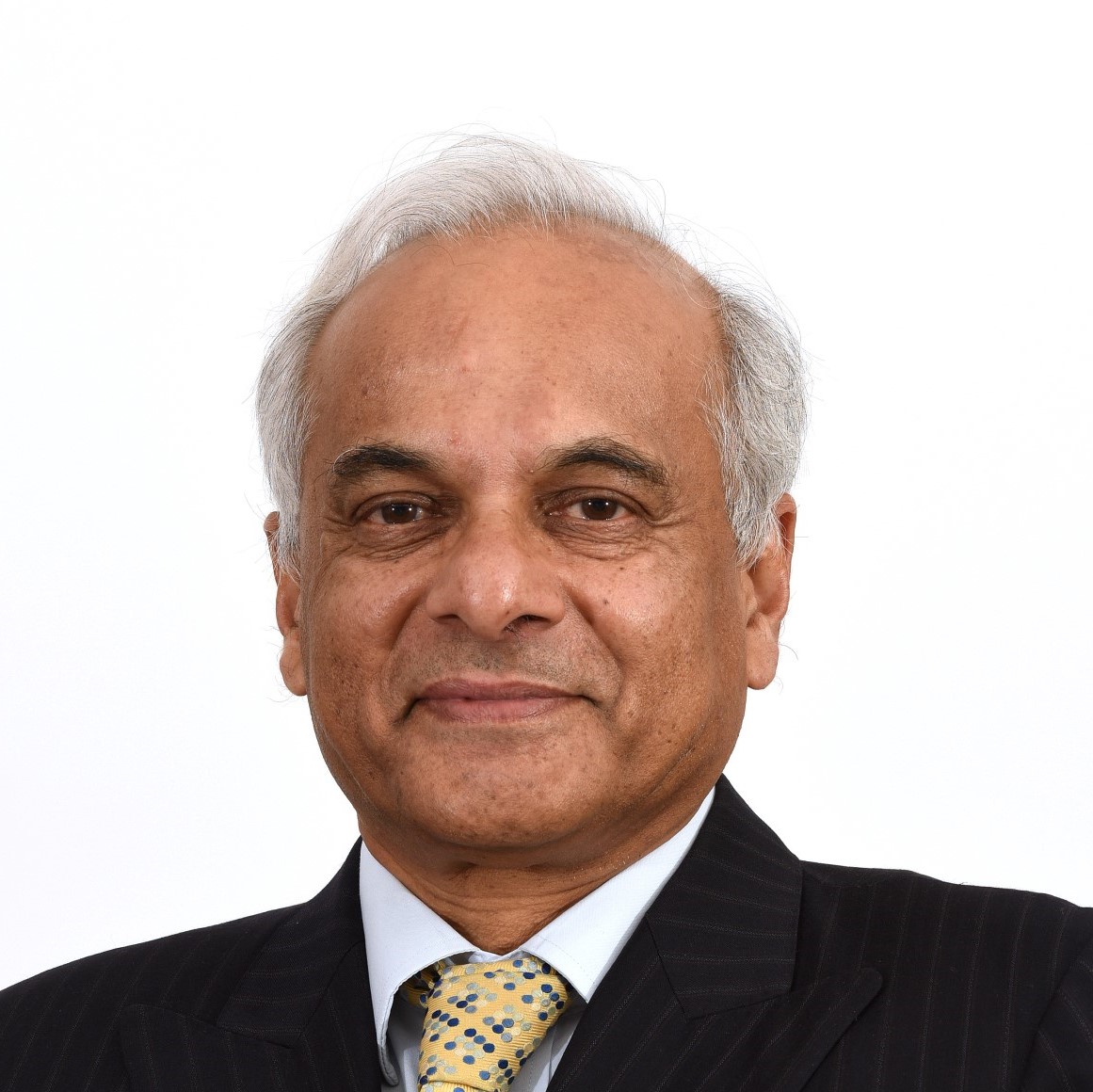

Hannes Lukas Gauch
Energy Technology Analyst, International Energy Agency (IEA)
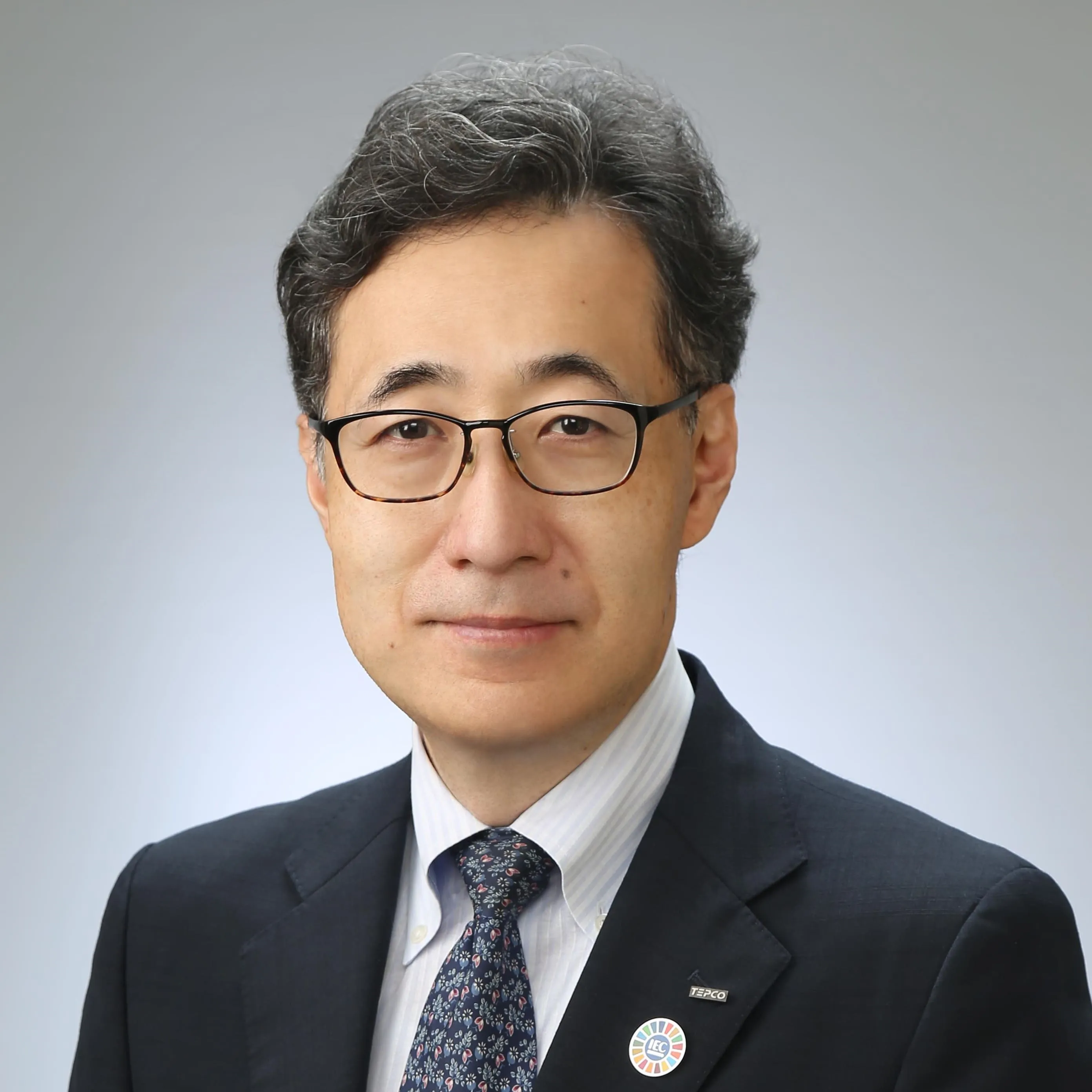
OKAMOTO Hiroshi
Senior Fellow, Tokyo Electric Power Company Holdings, Incorporated
(Japan)
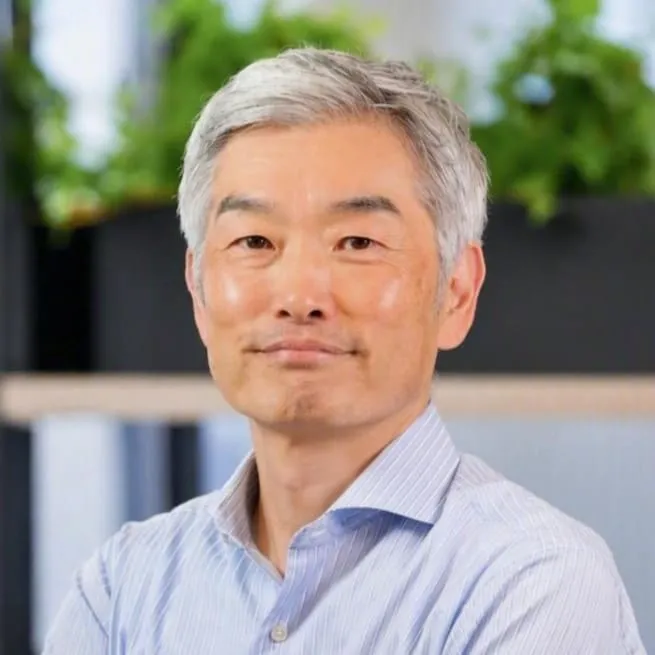
TERAJI Atsushi
General Manager, Sustainable Economy and Technology Center, Research Division, Nissan Motor Co., Ltd.
(Japan)
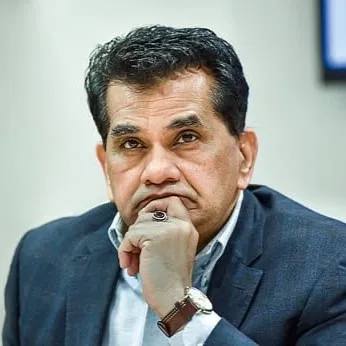
Amitabh Kant
Director, HCL Technology;
Director, Interglobe Aviation (IndiGo);
Independent Director, Larsen &Toubro/ITC;
Senior Adviser, Fairfax Financial Holdings;
Senior Adviser, SMBC;
Senior Adviser, Warburg Pincus
(India)

Adam Garcia
Managing Director APAC, The Mobility House
(United States of America/Singapore)
13:00-14:00
Session A-2
Advanced Nuclear Reactors Supporting Low-Carbon Energy Systems
Demand for clean, stable, 24/7 power is growing, driven by the progress of electrification and the rapid expansion of AI data centers. Advanced nuclear technologies, including small modular reactors (SMRs), are emerging as a leading solution to meet this demand.
This session will examine the strategic framework needed to accelerate electrification and clarify the role of nuclear energy. Discussions will cover SMR deployment in North America, trilateral cooperation on SMRs, and the development of resilient supply chains to support it. The session will also address fast reactors and fuel reprocessing, with a view to making effective use of resources and contributing to the realization of a sustainable and secure energy system.
TANAKA Nobuo
Chair, ICEF Steering Committee;
Former Executive Director,
International Energy Agency (IEA);
CEO, Tanaka Global, Inc.
(Japan)

Eija-Riitta Korhola
ICEF Steering Committee;
Delegate of the Consultative
Commission for Industrial Change
European Economic and Social
Committee
(Finland/Belgium)
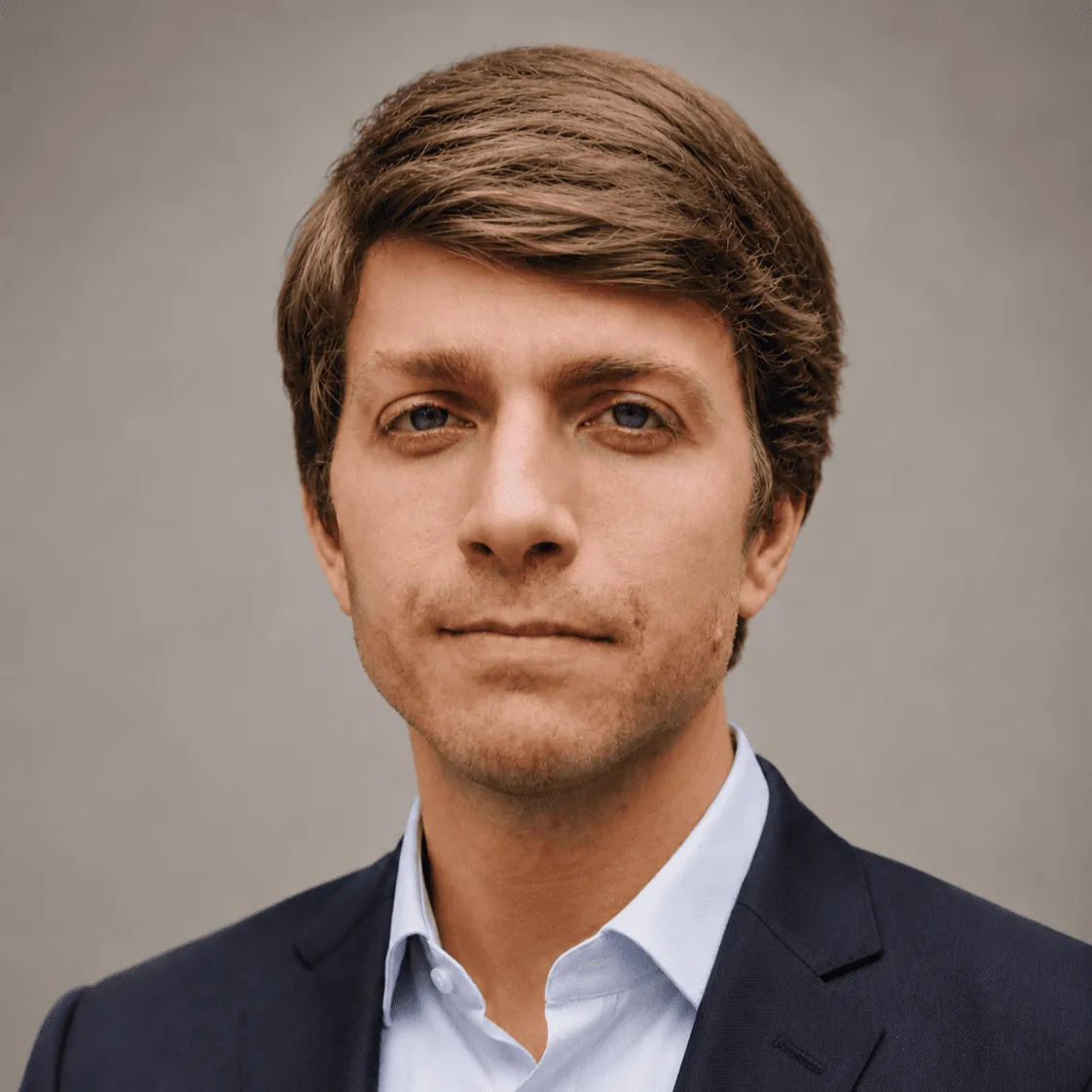
Murphy Carlton Poindexter
Co-Founder, BLSK Energy LLC
(United States of America)
ISHIWATARI Yuki
SVP & General Manager, Global Business Development and Management Division, Hitachi GE Vernova Nuclear Energy, Ltd.
(Japan)
Marcus Nichol
Vice President, Nuclear Deployment and Fuel Cycle, Nuclear Energy Institute
(United States of America)
Jooho Whang
Outside Director, HanmiGlobal
(Republic of Korea)
14:10-15:50
Session A-3
Energy Security for the Digital Era: Data Centers on Earth and Beyond
Part 1
Digital-Power Nexus: Data Centers as Next-Generation Strategic Infrastructure
The digital-power nexus is not simply a matter of connecting electricity and digital systems; it is also an increasingly important next-generation strategic infrastructure. Future policy challenges will include linking data centers to low-carbon power sources and appropriate communication networks, while ensuring that AI and data-processing capabilities can withstand disasters, cyberattacks, and geopolitical risks.
This nexus is part of a next-generation economic security infrastructure that will support decarbonization, AI competitiveness, a stable, distributed power supply, and digital sovereignty. Although it will create enormous electricity demand in the future, flexible energy management can contribute to expanded deployment and enable large-scale integration of variable renewable energy. This session will address key challenges and strategic actions for turning flexibility into business value.

Sally M. Benson
ICEF Steering Committee;
Professor, Energy Science and Engineering, Stanford University
(United States of America)

David Sandalow
ICEF Steering Committee;
Inaugural Fellow, Center on Global Energy Policy, Columbia University;
Co-Director, Energy and Environment Concentration, School of International and Public Affairs, Columbia University
(United States of America)

Thomas Wilson
Principal Technical Executive, Electric Power Research Institute (EPRI)
(United States of America)
OKAMOTO Hiroshi
Senior Fellow, Tokyo Electric Power Company Holdings, Incorporated
(Japan)

Inês M. L. Azevedo
Perry L. McCarty Director, Stanford Woods Institute for the Environment; Professor of Energy Science & Engineering, Doerr School for Sustainability, Stanford University
(Portugal/United States of America)
Part 2
ICEF Roadmap Project: Space-based Data Centers
To many, space-based data centers may seem closer to science fiction than to a topic for serious study. However, several companies have already begun developing space-based data centers and are also planning further significant investments. These investments, along with growing interest in operating data centers in low-Earth orbit, are being driven by two converging trends: the rapid expansion of AI-driven computing demand and the dramatic reduction in the cost of launching payloads into space.
Against this background, the 2026 ICEF Roadmap will explore the feasibility of operating data centers in outer space, their implications for sustainability, and the governance, operational, and regulatory frameworks required for their deployment.
David Sandalow
ICEF Steering Committee;
Inaugural Fellow, Center on Global Energy Policy, Columbia University;
Co-Director, Energy and Environment Concentration, School of International and Public Affairs, Columbia University
(United States of America)
Sally M. Benson
ICEF Steering Committee;
Professor, Energy Science and Engineering, Stanford University
(United States of America)
HORIGUCHI Shingo
President and CEO, DigitalBlast, Inc.;
President and CEO, SpaceBlast, Inc.
(Japan)

Jason Aspiotis
CEO & Co-Founder, OwlO Cloud;
Former Global Director of In-Space Data & Security, Axiom Space
(United States of America/United Kingdom)

Hari Osofsky
Myra and James Bradwell Professor of Law and Former Dean, Northwestern Pritzker School of Law;
Founding Director, Northwestern University Energy Innovation Lab/Rule of Law Global Academic Partnership (ROLGAP);
Professor, Environmental Policy and Culture (courtesy), Northwestern University
(United States of America)
16:00-17:20
Plenary 2
Global Partnerships and Practical Solutions for Secure, Flexible, and Resilient Power Systems
As rapid electrification advances across emerging and developing economies, electricity is becoming increasingly important to economic growth, industrialization, urbanization, digitalization, and daily life. This session will examine how the electricity sector can strengthen energy security, flexibility, and resilience. It will address structural vulnerabilities in power supply, grids, institutions, and access to finance that may be exposed by external shocks, as well as medium- to long-term actions needed to avoid future bottlenecks as demand grows. The discussion will also explore integrated approaches covering supply, networks, demand-side measures, institutions, and finance, together with international cooperation, including cooperation with Japan, to support transition planning, capacity building, technology cooperation, finance mobilization, and the development of viable projects tailored to each country’s circumstances.
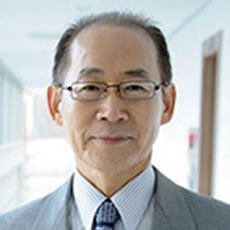
Hoesung Lee
ICEF Steering Committee;
Former Chair of the Intergovernmental
Panel on Climate Change (IPCC);
President, Carbon Free Alliance
(Republic of Korea)
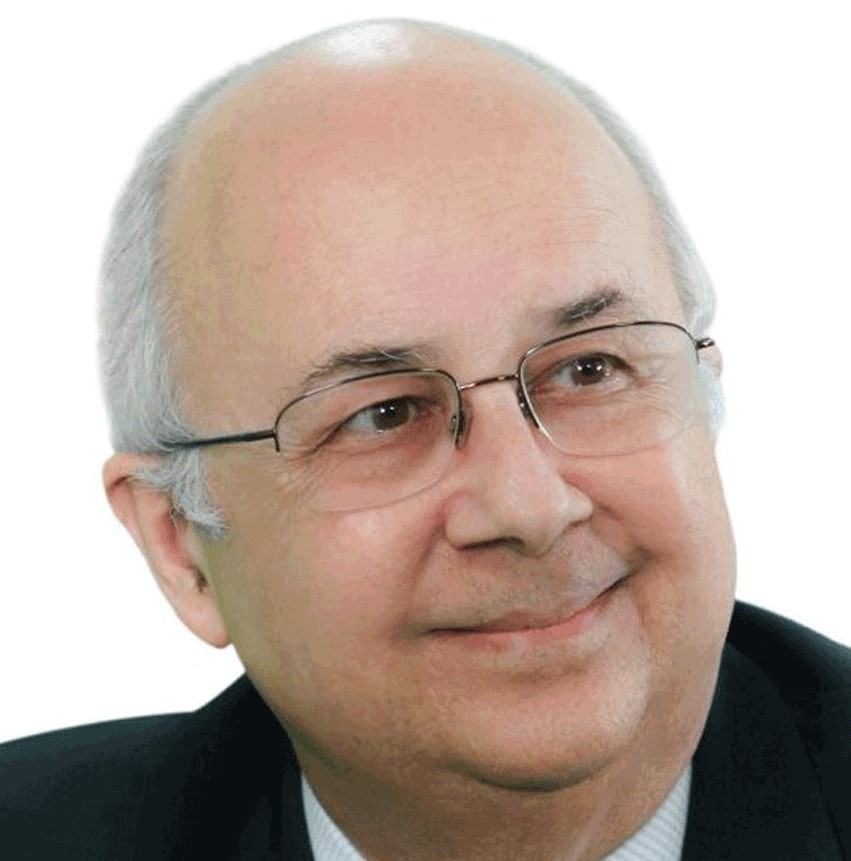
Ismail Serageldin
ICEF Steering Committee;
Co-Chair of the Board of Nizami Ganjavi International Center (NGIC);
Emeritus Librarian of Alexandria;
Former VP of the World Bank
(Egypt)

KURODA Reiko
ICEF Steering Committee;
Principal Research Scientist at the Center for Radical Transformation,
Chiba Institute of Technology;
Senior Visiting Scientist, RIKEN Center for Integrative Medical Sciences (IMS);
Professor Emeritus, The University of Tokyo
(Japan)

Christoph Menke
Professor for Energy Technology (retired), University of Applied Sciences Trier, Germany;
Conference Chairman, Asia Pacific Green Hydrogen Conference & Exhibition, Kuching, Sarawak, Malaysia;
Distinguished Professor, Joint Graduate School of Energy and Environment, KMUTT, Bangkok, Thailand
(Germany)
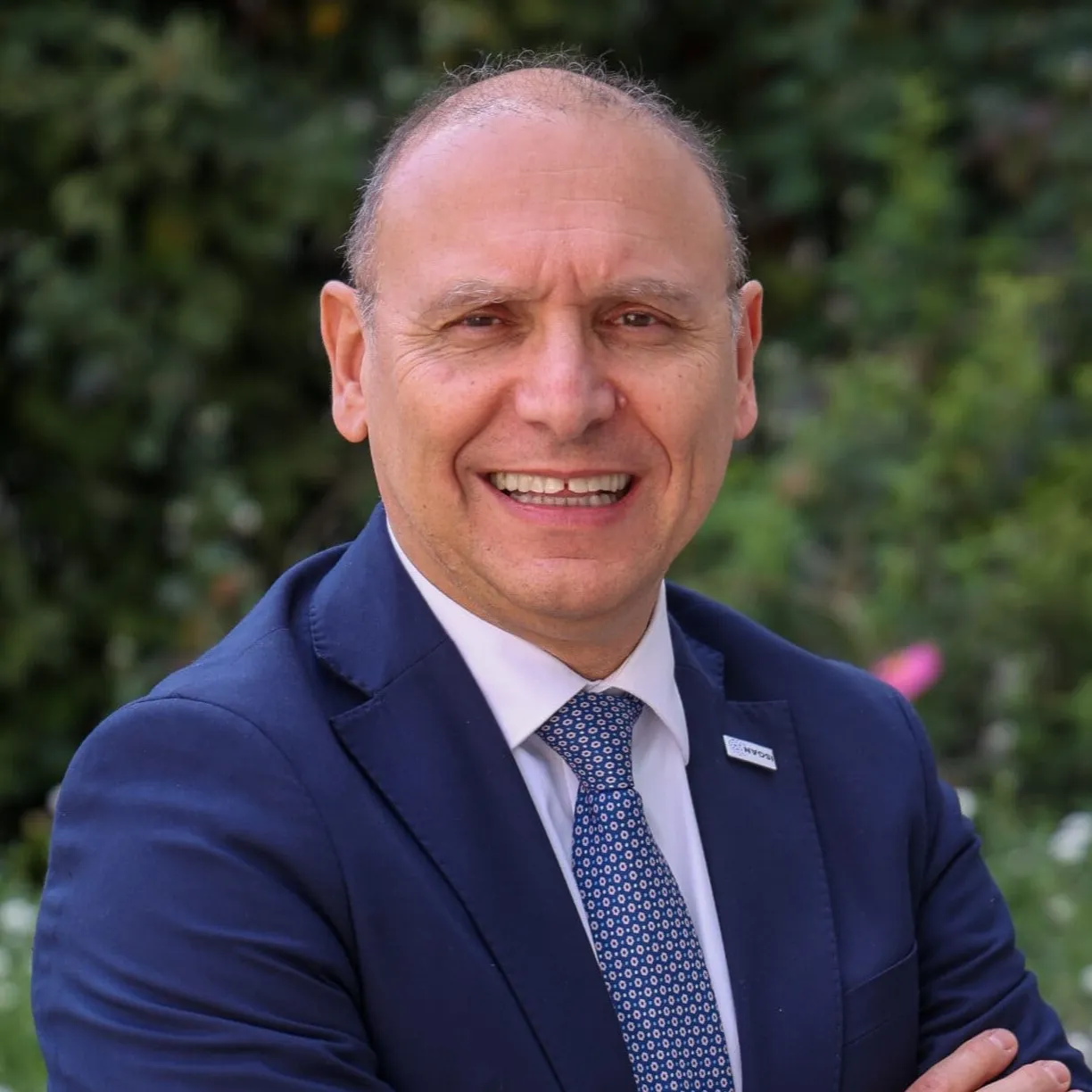
Luciano Martini
Director, Generation Technologies and Materials Department, RSE - Ricerca sul Sistema Energetico;
Chair, International Smart Grid Action Network (ISGAN/TCP);
Director, Green Powered Future Mission (MI GPFM)
(Italy)

Riccardo Savigliano
Chief, Energy Systems and Industrial Decarbonization Unit, United Nations Industrial Development Organization (UNIDO)
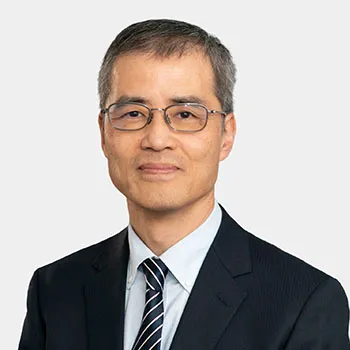
SADAMORI Keisuke
Director, Electric Power Development Co.,Ltd.;
Research Director, The Canon Institute for Global Studies (CIGS);
Chief Economist, Japan Organization for Metals and Energy Security (JOGMEC)
(Japan)
17:25-18:10
Closing Session
Quick Comments (Takeaways, Comment) from ICEF Steering Committee Members
Announcement of Statement and Final Thoughts on the Event by TANAKA Nobuo
(Chair of ICEF Steering Committee)
Closing Remarks by
FUKUCHI Mami
(Deputy Director-General for Innovation Policy, Innovation and Environment Policy Bureau, Ministry of Economy, Trade and Industry, Japan)
Thursday, October 8 (JST) / Venue B (B2F)
13:00-14:00
Session B-1
Exploring Circular Economy through Textile Industry and Data Connectivity
Circular Economy (CE) is increasingly recognized not only as an environmental policy approach but also as a key strategy for supporting resource security and industrial competitiveness. Policies and regulatory frameworks have evolved to secure critical minerals and recycled materials while enhancing supply chain resilience. Meanwhile, data integration through Digital Product Passports and data platforms has become indispensable for achieving resource circulation.
This session will provide an overview of the latest developments in policies and regulatory frameworks related to CE. Through case studies, including the textile sector, the session will explore the role of resource transparency and cross-value supply chain data integration, and will discuss the potential of next-generation circular industrial systems that can simultaneously achieve both resource circularity and economic security.

SAKANO Akira
ICEF Steering Committee;
Representative Director,
Zero Waste Japan;
Co-Founder, Green innovation;
Chief Circularity Officer, ECOMMIT
Co., Ltd.;
Co-Director, Circular Futures Design Center, Shizenkan University
(Japan)
Valli Moosa
ICEF Steering Committee;
Chairperson of WWF South Africa;
Former Deputy Chairperson of the Presidential Climate Change Commission;
Former President, International Union for Conservation of Nature and Natural Resources (IUCN);
Former South African Minister of Environment;
Former Chairperson of the UN Commission
on Sustainable Development
(South Africa)
SHIGEMURA Yukihiro
Executive Staff : Sustainability, TA FRONTIER CO., LTD.;
Representative, Consortium for Fiber to Fiber
(Japan)
YOSHIDA Junichi
Director, Biotechnology and Materials Department, New Energy and Industrial Technology Development Organization (NEDO)
(Japan)
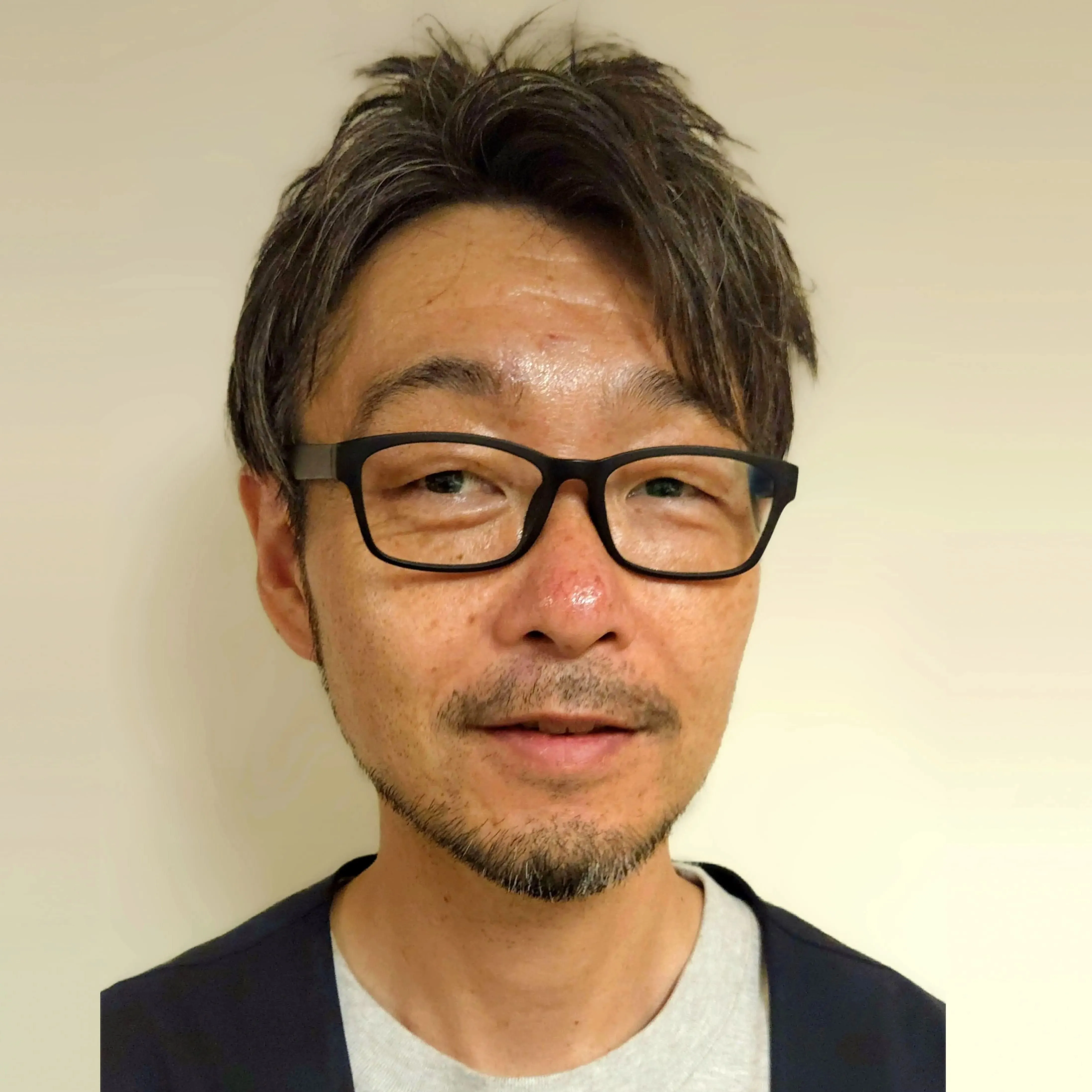
TAGUCHI Hajime
Managing Director, Data Space Unit, First Social Transformation Consulting Division, Social Digital Consulting Sector, NTT DATA Japan Corporation
(Japan)
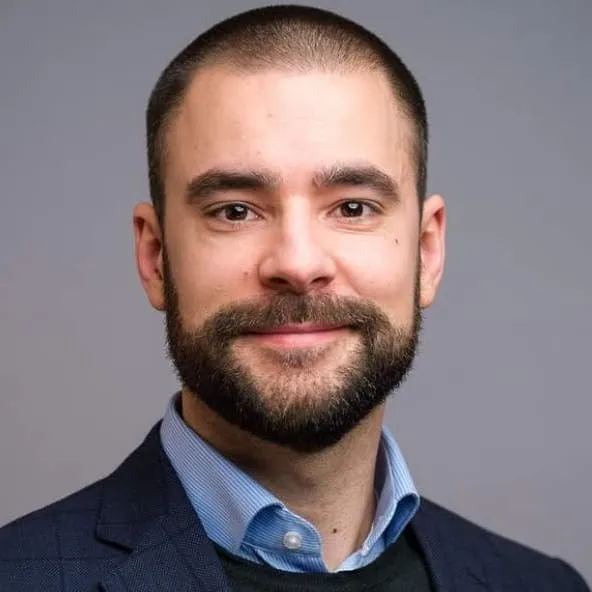
Guus ter Haar
Director of Impact, Circle Economy Foundation
(Netherlands)
14:10-15:10
Session B-2
From Ambition to Market: Aligning Supply and Demand for Low-Emissions Hydrogen
Hydrogen is moving beyond the stage of expectations and concepts, toward market formation and deployment based on real demand. As the market environment surrounding hydrogen continues to evolve, building a sustainable hydrogen market will require not only expanding supply, but also connecting low-emissions hydrogen with credible demand in hard-to-abate sectors and reducing costs. This session will examine pathways to decarbonize existing hydrogen uses and enable deployment at scale. It will also discuss the realistic role of hydrogen in an increasingly electrified energy system, as well as the policies, institutional frameworks, and industrial strategies needed to move from ambition to implementation.

Nebojsa Nakicenovic
ICEF Steering Committee;
Honorary and Emeritus Scholar, International Institute for Applied Systems Analysis (IIASA);
Emeritus Professor of Energy Economics, Vienna University of Technology (TU Wien)
(Austria/Serbia)
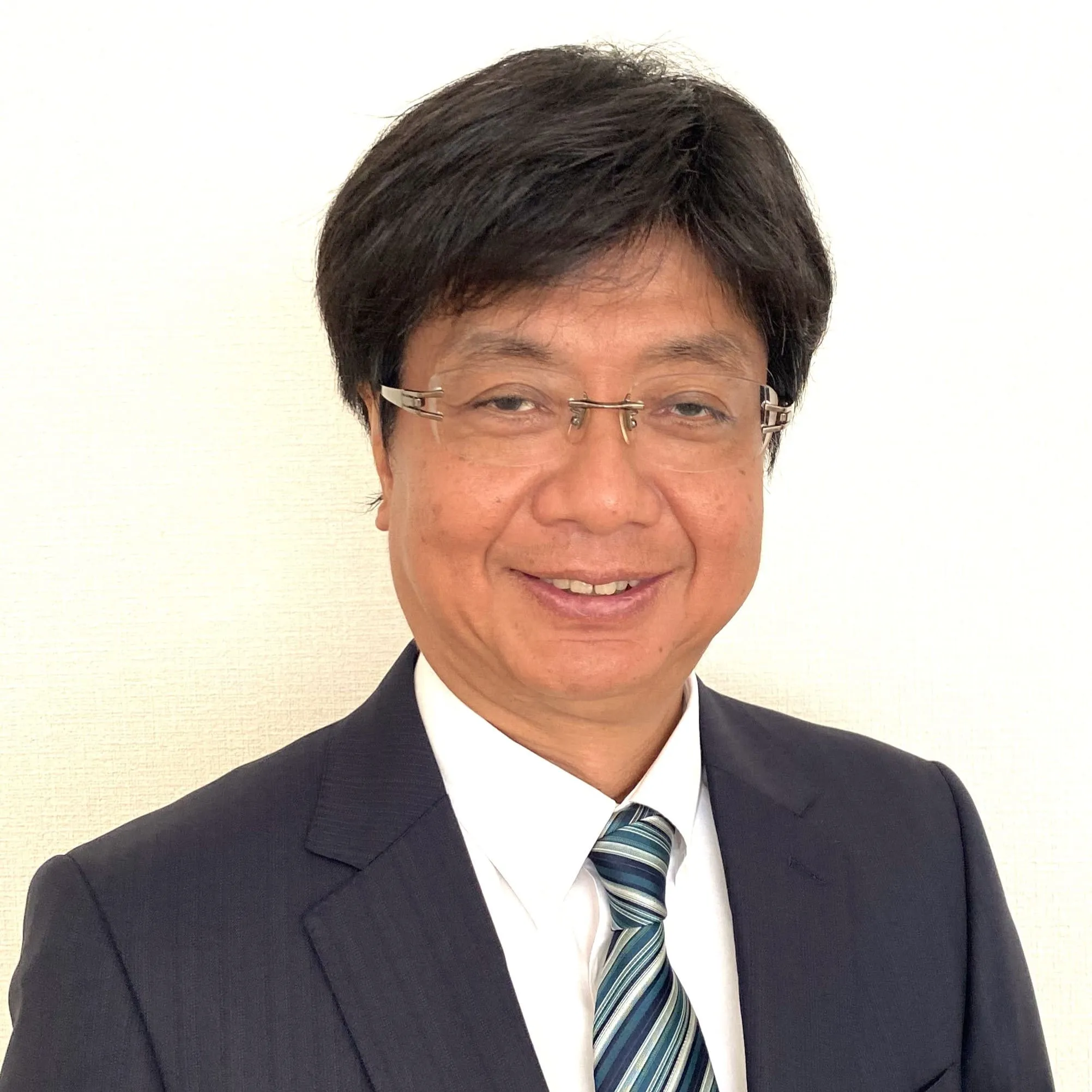
KUNIYOSHI Hiroshi
Vice President/CEO, the Institute of Applied Energy
(Japan)
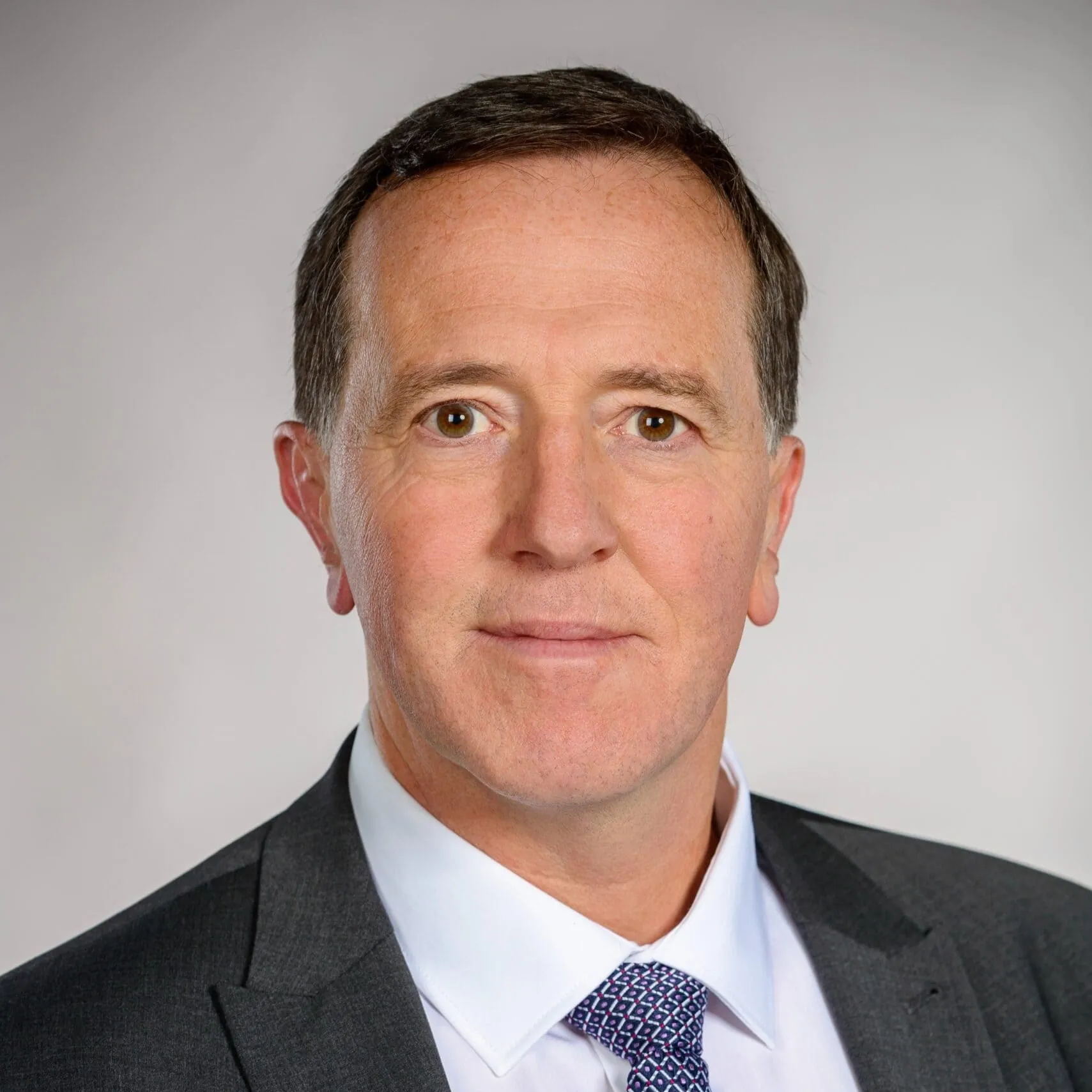
Mike Enskat
Director, Innovation and Technology Centre, International Renewable Energy Agency (IRENA)

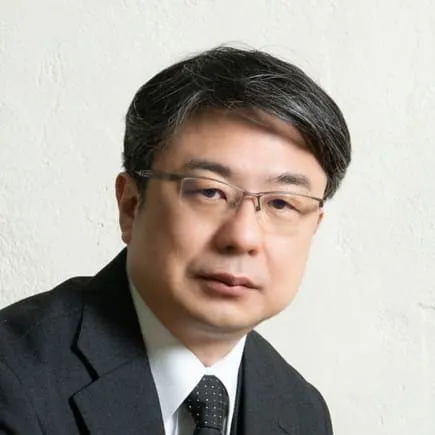
KOIDE Keisuke
Chief Executive Staff Officer, Hydrogen Strategy Division, Kawasaki Heavy Industries, Ltd.
(Japan)

Cyrille Paufique
Business Management Director, Hydrogen Energy World Business Line, Air Liquide
(France)
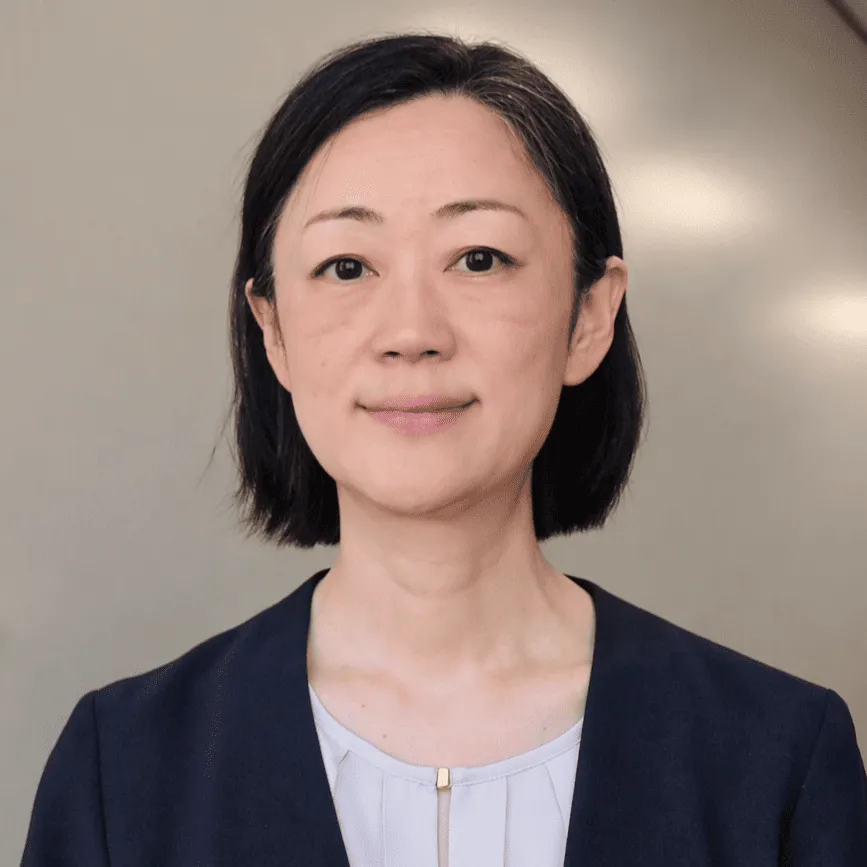
ISAKA Mirei
Director, International Collaboration Sector, Hydrogen and Ammonia Department, New Energy and Industrial Technology Development Organization (NEDO)
(Japan)